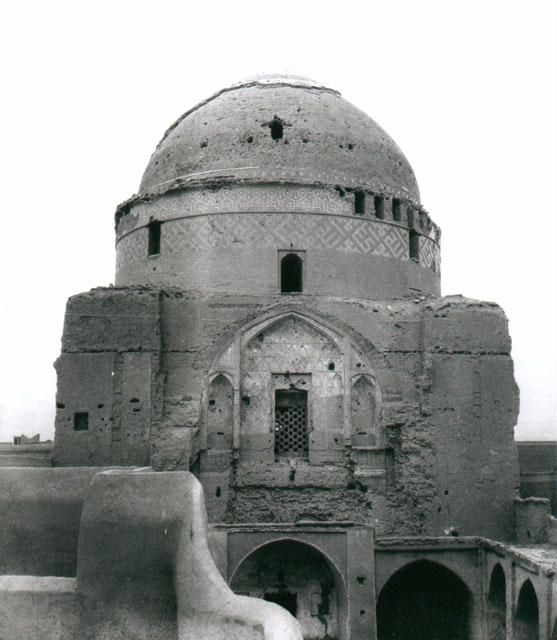
Adle, C., & Melikian-Chirvani, A. S. (1972). Les monuments du XIe siècle du Damqan. Studia Iranica, 1(1), 229–297.
Afshar, I. (1995). Monuments of Yazd [Yādgār-hāye Yazd] (Vols. 1–2). Society for the Appreciation of Cultural Works and Dignitaries. (In Persian)
Amoli, S. M. (2002). The gems of arts [Nafāyes-al-Fonun] (A. Sha’rani, Ed.). Islamiyeh Bookstore. (In Persian)
Aslanapa, O. (1989). Türk sanatı. Remzi Kitabevi. Archnet. (n.d.-a). Gök Medrese [Photographic record].
https://www.archnet.org/sites/3839
Archnet. (n.d.-b). Great Mosque of Dunaysir [Media content].
https://www.archnet.org/sites/3693?media_content_id=41185
Archnet. (n.d.-c). Great Mosque of Varamin [Media content].
https://www.archnet.org/sites/3925?media_content_id=41985
Archnet. (n.d.-e). Masjid-i Jami (Ashtarjan) [Media content]. https://www.archnet.org/sites/2057?media_content_id=43077 Archnet. (n.d.-f). Mausoleum of Bayazid al-Bastami [Media content].
https://www.archnet.org/sites/3929?media_content_id=145677
Archnet. (n.d.-g). Shrine of Abu Yazid al-Bistami [Site record].
https://www.archnet.org/sites/3840
Blair, S. (1985). The madrese at Zuzan: Islamic architecture in eastern Iran on the eve of Mongol invasion. Muqarnas, 3(1), 75–91.
https://brill.com/view/journals/muqj/3/1/article-p75_7.xml
Blair, S. (2004). The inscription on the tomb tower at Bastam: An analysis of historical writing in the Ilkhanid period [Katibe-ye borj-e maqbare-i Bastām, tahlili az neveshtāri-ye tārikhi dar doure-ye Ilkhāni] (M. E. Zarei, Trans.). Asar, 25(36–37), 150–174. http://journal.richt.ir/athar/article-1-285-fa.html (In Persian)
Blair, S. S. (2008). The Ilkhanid architecture of Natanz: The tomb complex of Shaykh Abd al-Samad [Me’māri-ye Ilkhāni dar Natanz, majmou’e-ye mazār-e Sheikh Abd-al-Samad] (V. Kawoosi, Trans.). Academy of Arts. (Original work published 1986) (In Persian)
Blair, S. S. (2015). The first inscriptions in the architecture of Islamic Iran [Nokhostin katibe-hā dar me’māri-ye dourān-e Eslāmi-ye Irān-zamin] (M. G. Arefi, Trans.). Academy of Arts. (Original work published 1992) (In Persian)
Carboni, S., & Masuya, T. (2002). Persian tiles [Kāshi-hāye Eslāmi] (M. Shayestehfar, Trans.). Institute for Islamic Art Studies. (Original work published 1993) (In Persian)
Cohen-Wiener, E. (1930). Turan: Islamische baukunst in mittelasien. Wasmuth. Deibaaj, I. (1964). Guide to the historical monuments of East and West Azerbaijan [Rāhnamāye āsār-e tārikhi-ye Āzarbāyjān-e Sharqi va Āzarbāyjān-e Gharbi]. University of Tabriz. (In Persian)
Düz, Ö. (2019). Konya Karatay Medresesi süslemelerinin desen ve tasarım özellikleri [Unpublished master's thesis]. Sakarya Üniversitesi Sosyal Bilimler Enstitüsü. Erdal, Z. (2014). Aksaray’da Türk devri mimarisi [Unpublished doctoral dissertation]. Yüzüncü Yıl Üniversitesi Sosyal Bilimler Enstitüsü.
Farahmand Boroujeni, H., & Soleimani, P. (2012). Typology of the Ghaffariyeh Dome decorations in Maragheh based on a comparative pattern [Gune-shenāsi-ye taz’ināt-e gonbad-e Ghaffāriye-ye Marāghe bar asās-e olgu-ye tatbiqi]. Islamic Art Studies, 8(16), 89–100. https://dor.isc.ac/dor/20.1001.1.1735708.1391.8.16.7.0 (In Persian)
Fazl-Allah Shirazi, S. A. (1959). History of Vassaf [Tārikh-e Vassāf-al-Hazre] (Vol. 3) (M. M. Esfahani, Ed.). Ibn Sina and Jafari Tabrizi Library. (In Persian)
Fakhrayi, A. (2009). Technology and pathology of tile decorations of Sheikh Danial Khonj Minaret [Fan-shenāsi va
-shenāsi-ye taz’ināt-e kāshikāri-ye menāre-ye Sheikh Dāniāl-e Khonj] [Master's thesis, Art University of Isfahan]. (In Persian)
Godard, A. (1965). The art of Iran (M. Heron, Trans.; M. Rogers, Ed.). Frederick A. Praeger Publishers.
Godard, A. (1992). The monuments of Iran [Āsār-e Irān] (Vols. 2–4) (A. Sarvghad Moghaddam, Trans.). Astan Quds Razavi Islamic Research Foundation. (Original work published 1936) (In Persian)
Hamzavi, Y. (2019). The oldest use of tiles in Iranian Islamic architectural decorations and the technology of composite decorations of glazed pottery fragments, plaster, and brick in Khwaja Atabak Tomb, Kerman [Qadimi-tarin kārboard-e kāshi dar ārāye-hāye me’māri-ye doure-ye Eslāmi-ye Irān]. Journal of Research in Archaeometry, 5(1), 55–80. https://doi.org/10.29252/jra.5.1.55 (In Persian)
Hamzavi, Y., & Aslani, H. (2012). Architectural ornaments of Pir-e Bakran Shrine [Ārāye-hāye me’māri-ye boq’e-ye Pir-e Bakrān]. Goldasteh. (In Persian)
Hamzehlou, M. (2002). Applied arts in Soltaniyeh [Honar-hāye kārboardi dar Soltāniyeh]. Makan. (In Persian)
Heydari, E. (2003). The role of color in Islamic architectural decorations from the Seljuk period to the mid-Safavid period [Naqsh-e rang dar taz’ināt-e me’māri-ye Eslāmi] [Master's thesis, Tarbiat Modares University]. (In Persian)
Heydari, V., & Salehi, A. (2022). Robat Sepanj: A comparative study and chronological clarification [Robāt-e Sepanj: Motāle-ye tatbiqi va tadqiq-e doure-ye tārikhi]. Journal of Iranian Architecture Studies, 11(21), 31–51. https://doi.org/10.22052/jias.2022.245833.0 (In Persian)
Hill, D., & Grabar, O. (2007). Islamic architecture and its decoration [Me’māri va taz’ināt-e Eslāmi] (M. Vahdati Daneshmand, Trans.). Scientific and Cultural Publications. (Original work published 1964) (In Persian)
Hillenbrand, R. (2008). Islamic architecture: Form, function, and meaning [Me’māri-ye Eslāmi] (B. Ayatullahzadeh Shirazi, Trans.). Rozaneh. (Original work published 1994) (In Persian)
Honarfar, L. (1971). A treasury of historical monuments of Isfahan [Ganjine-ye āsār-e tārikhi-ye Esfahān]. Ziba Printing House. (In Persian)
Jafari, J. M. (1964). History of Yazd [Tārikh-e Yazd] (I. Afshar, Ed.). Translation and Publication Agency. (In Persian)
Kargar, M. (1993). Islamic tombs and their cultural status in Northwest Iran, Azerbaijan [Maqāber-e Eslāmi va pāygāh-e farhangi-ye ān dar shomāl-e gharb-e Irān] [Master's thesis, Tarbiat Modares University]. (In Persian) Kateb, A. H. (1978). New history of Yazd [Tārikh-e Jadid-e Yazd] (I. Afshar, Ed.). Amirkabir. (In Persian)
Karimi, A. (2012). Rereading historical documents about the Nezam al-Molk Portal of Abarkouh [Bāz-khāni-ye asnād-e tārikhi pirāmoun-e sardar-e Nezām-al-Molki-ye Abarkouh]. Pajouhesh-e Honar, 2(4), 45–59. (In Persian)
Khademzadeh, M. H., Oloumi, M., & Alvandian, E. (2008). Architecture of the Al-e Mozaffar period of Yazd (Ilkhanid and Timurid) [Me’māri-ye doure-ye Āl-e Mozaffar-e Yazd]. Hampa. (In Persian)
Khazayi, M. (2016). The Minaret of Jam: Inscriptions, decorative motifs, and symbolic concepts [Menār-e Jām, katibe-hā, noqush-e taz’ini va mafāhim-e namādin]. Academy of Arts. (In Persian)
Kiani, F. (2011). An introduction to the art of Iranian tilework [Dar-āmadi bar honar-e kāshikāri-ye Irān]. Ketab-e Mahe-e Honar, (153), 118–125. https://www.noormags.ir/view/fa/articlepage/791859 (In Persian)
Kiani, M. Y., Karimi, F., & Ghouchani, A. (1983). An introduction to the art of tilework [Moqaddame-i bar honar-e kāshikāri]. Reza Abbasi Museum. (In Persian)
Kuehn, S. (2007). Tilework on funerary monuments of the 12th to 14th century in Konya Urgench (Gurganj). Arts of Asia, 38(2), 1–18.
Labbaf Khaniki, R., & Saber Moghaddam, F. (2006). The mosques of Khorasan from the beginning to the contemporary era [Masājed-e Khorāsān az āghāz tā dourān-e mo’āser]. Cultural Affairs Department of Khorasan Razavi. (In Persian) Maher-al-Naqsh, M. (1982). Design and implementation of patterns in Iranian tilework of the Islamic period [Tarrāhi va ejrāye naqsh dar kāshikāri-ye Irān]. Ministry of Islamic Guidance, Reza Abbasi Museum. (In Persian)
Maher-al-Naqsh, M. (2011). Tile and its application [Kāshi va kārboard-e ān]. SAMT. (In Persian)
Mansouri, K., Parsi, F., & Rahimi Kalhoroodi, F. (2021). The evolution of the Jameh Mosque of Forumad with emphasis on Ilkhanid additions [Seyr-e tahavvol-e Masjed-e Jāme-ye Forumad]. Journal of Iranian Architecture Studies, 10(19), 165–192. https://jias.kashanu.ac.ir/article_111869.html (In Persian)
Meinecke, M. (1976). Fayence decorationen seldschukischer sakralbauten in Kleinasien (Vol. 2). Verlag Ernest Wasmuth Tubingen.
Meshkouti, N. (1970). List of historical monuments and ancient sites of Iran [Fehrest-e banā-hāye tārikhi va amāken-e bāstāni-ye Irān]. National Organization for the Protection of Ancient Monuments. (In Persian)
Moradi, A., & Omrani, B. (2014). Historical recognition and decorations of Alaki Caravanserai [Bāz-shenāsi-ye tārikhi va taz’ināt-e Kāravānsarāye Ālāki]. Bagh-e Nazar, 11(28), 55–64. (In Persian)
Naumann, R. (2007). The ruins of Takht-e Soleyman and Zendan-e Soleyman [Virāne-hāye Takht-e Soleymān va Zendān-e Soleymān] (F. Najd Samiei, Trans.). Takht-e Soleyman World Heritage Site. (Original work published 1977) (In Persian) Nikzad Amirhosseini, K. (1956). History of historical buildings of Isfahan [Tārikche-ye abniye-ye tārikhi-ye Esfahān]. Dad Printing House. (In Persian)
Nouri, N., & Salehi Kakhki, A. (2022). The holy shrine of Imamzadeh Qasim and Zeyd in Azna. Journal of Archaeology and Archaeometry, 1(2), 37–67.
https://doi.org/10.30495/jaa.2022.694799
Öztürk, Ş., Kilavuz, B., & Karakuş, Ü. C. (2007). Siirt Ulu Camii minaresi. Vakıflar Dergisi, 30, 385–405.
https://hdl.handle.net/11352/727
Pickett, D. (1997). Early Persian tilework: The medieval flowering of kashy. Fairleigh Dickinson University Press.
Pirnia, M. K. (1990). Architectural styles of Iran [Shive-hāye me’māri-ye Irān] (G. Memarian, Ed.). Islamic Art Publishing Institute. (In Persian)
Porter, V. (2010). Islamic tiles [Kāshi-hāye Eslāmi] (M. Shayestehfar, Trans.). Institute for Islamic Art Studies. (Original work published 1995) (In Persian)
Rajabi, S. S. (1990). A look at the Kufic scripts of the Ala al-Dawlah Tower in Varamin [Negareshi bar khotout-e Koufi-ye Borj-e Alā-al-Dowle-ye Varāmin]. Historical Studies, 2(6), 235–239. https://2.189.160.148/fa/article/284918 (In Persian) Sarre, F. (1901). Denkmaler persischer baukunst. Ernst Wasmuth A-G.
Sarre, F. (1910). Denkmaler persischer baukunst. Ernst Wasmuth A-G.
Sepanta, A. (1969). A history of Islamic mosaic tiles in Iran [Tārikche-i az kāshi mo’arraq-e Eslāmi dar Irān]. Journal of Oqaf Organization, (9), 60–65. https://www.noormags.ir/view/fa/articlepage/254883 (In Persian)
Shokri, P. (2015). Typology and classification of tiles of the Ilkhanid period and their successors based on form and glaze [Gune-shenāsi va tabaqe-bandi-ye kāshi-hāye doure-ye Ilkhānān] [Master's thesis, Art University of Isfahan]. (In Persian) Smith, M. B. (1939). Two dated Seljuk monuments at Sin. Ars Islamica, 4(1), 1–10.
Soleimani, P., Vahidzadeh, R., & Farahmand Boroujeni, H. (2015). Mosaic tile inscriptions in Iran [Katibe-hāye kāshi mo’arraq dar Irān]. Hampa. (In Persian)
Talbot Rice, D. (2007). Islamic art [Honar-e Eslāmi] (M. Bahar, Trans.). Scientific and Cultural Publications. (Original work published 1965) (In Persian)
Ülgen, A. S. (1962). Siirt Ulu Camii. Vakıflar Dergisi, 5, 153–155.
https://hdl.handle.net/11352/1406
Varjavand, P. (1987). Excavations of the Maragheh Observatory and a look at the history of astronomy in Iran [Kāvosh-hāye rasadkhāne-ye Marāghe]. Amirkabir. (In Persian)
Wilber, D. N. (1986). The architecture of Islamic Iran: The Il Khanid period [Me’māri-ye Eslāmi-ye Irān dar doure-ye Ilkhānān] (A. Faryar, Trans.). Scientific and Cultural Publications. (Original work published 1955) (In Persian)
Wilber, D. N. (1939). The development of mosaic faience in Islamic architecture in Iran. Ars Islamica, 4(1), 16–47. Wilkinson, C. (1987). Nishabur: Some early Islamic buildings and their decoration. The Metropolitan Museum of Art. Wilber, D. N. (2008). The Jameh Mosque of Atiq, Shiraz [Masjed-e Jāme-ye Atiq-e Shirāz] (A. Bank, Trans.). Academy of Arts. (Original work published 1972) (In Persian)
Zomorshidi, H. (1986). Knots in Islamic architecture and handicrafts [Gere-chini dar me’māri-ye Eslāmi va honar-hāye dasti]. University Publication Center. (In Persian)
Zomorshidi, H. (2006). Periods of formation of mosaic tilework in Iranian buildings [Doure-hāye shekl-giri-ye kāshikāri mo’arraq dar banā-hāye Irān]. Art Education, 4(8), 4–11. https://www.noormags.ir/view/fa/articlepage/175469 (In Persian) Zomorshidi, H. (2008). Arts related to Iranian architecture [Honar-hāye vābaste be me’māri-ye Irān]. Art Education, 6(14), 4–13. https://www.noormags.ir/view/fa/articlepage/394637 (In Persian)
Zomorshidi, H., & Zomorshidi, Z. (2012). The art of tilemaking and tilework in Iranian architecture until the end of the Timurid period [Honar-e kāshigari va kāshikāri-ye me’māri-ye Irān tā pāyān-e doure-ye Teymuri]. Quarterly Journal of Islamic Iranian City Studies, 3(10), 49–60. https://www.noormags.ir/view/fa/articlepage/1350293 (In Persian)
Adle, sh,A. S. Melikian-Chirvani. (1972). Les monuments du XIe siècle du Damqan. Studia Iranica, (1),229-297.
Aslanapa, O. (1989). Türk sanatı.Remzi kitabevi. Blair, Sh. (1985). The madrese at zuzan islamic architecture in eastern Iran on the Eve of mongol Invasion. Moqarnas, (3)1,75-91.
https://brill.com/view/journals/muqj/3/1/article-p75_7.xml
Cohen Wiener, E. (1930). Turan: Islamische baukunst in mittelasien.Wasmuth.
Düz, Ö. (2019). Konya karatay medresesi süslemelerinin desen ve tasarım özellikleri[Yüksek lisans tezi, Sakarya Üniversitesi sosyal bilimler enstitüsü].Sakarya. ERDAL, Z. (2014). Aksaray’da türk devri mimarisi[Doktora Tezi, Yüzüncü Yıl Üniversitesi sosyal bilimler enstitüsü].Van. Godard, A. (1965). The art of iran(Translat, Michel Heron.EditedMachael Rogers).
Frederick A.Praeger Publishers. Kuehn, S. (2007). Tilework on funerary monuments of the 12th to 14th century in konya urgench (gurganj). Arts of Asia, (38)2, 1–18.
Meinecke.M. (1968).Tuslu mimar osman oĝlu mehmed oĝlu mehmed ve konya’da 13. üncü yüzyilda bir çini atölyesi. Turk Etnografya Dargisi, (61), 81-93.
https://dergipark.org.tr/tr/pub/turketnografyadergisi/issue/67076/1047762
Meinecke.M. (1976). Fayence decorationen seldschukischer sakralbauten in Kleinasien(vol.2). Deutsches Archäologisches Institut Istanbuler mitteilungen beiheft.Verlag Ernest Wasmuth Tubingen.
Nouri.N.,Salehi Kakhki. A. ( 2022). The holy shrine of imamzadeh qasim and zeyd in azna. Journal of Archaeology and Archaeometry, (1)2,37-67.
https://doi.org/10.30495/jaa.2022.694799
Öztürk, Ş. Kilavuz, B. Karakuş, Ü. C. (2007).Siirt ulu camii minaresi. Vakıflar Dergisi, (30), 385-405.
https://hdl.handle.net/11352/727
Pickett, D. (1997).Early persian tilework: The medieval flowering of kashy. Fairleigh Dickinson University press.
Sarre,F. (1910). Denkmaler persischer baukunst.Ernst Wasmuth A-G. Sarre,F. (1901). Denkmaler persischer baukunst.Ernst Wasmuth A-G. Smith,M.B. (1939). Two dated seljuk monuments at sin. Ars Islamica, (4)1,1-10.
Ülgen, A. S. (1962). Siirt ulu camii. Vakıflar Dergisi, (5),153-155.
https://hdl.handle.net/11352/1406
Wilber, D.N. (1939). The development of mosaic faience in islamic architecture in iran. Ars Islamica , (4)1, 16-47. Wilkinson,Ch. (1987).Nishabur some early islamic buildings and their decoration.The Metropolitan Museum of art. Yetkin, Serare. (1972).Anadolu҆da trkü çini sanatinin gelişmesi. Edebiyat Fakultesi Matbaasi. Kültür Envanteri. (n.d.). Kırkkızlar Kümbeti, Tokat.
https://kulturenvanteri.com/en/yer/kirkkizlar-kumbeti/
Rome Art Lover. (n.d.). The monuments of Tokat: Seljuk and Ottoman architecture.
https://www.romeartlover.it/Tokat2.html
Staatliche Museen zu Berlin. (n.d.). Sechseckige Fliese (Fayencemosaik) [Hexagonal tile, mosaic faience]. https://id.smb.museum/object/1525426/sechseckige-fliese-fayencemosaik Tabas Enc. (n.d.). Menar Jonban Tabas [The shaking minaret of Tabas]
[In Persian].
منار-جنبان-طبس آملی، شمسالدین محمد بن محمود. (۱۳۸۱). نفایسالفنون (ابوالحسن شعرانی، مصحح). کتابفروشی اسلامیه.
افشار، ایرج. (۱۳۷۴). یادگارهای یزد (جلد ۱-۲). انتشارات انجمن آثار و مفاخر فرهنگی.
بلر، شیلا. (۱۳۸۳). کتیبه برج مقبرهای بسطام، تحلیلی از نوشتاری تاریخی در دوره ایلخانی (محمدابراهیم زارعی، مترجم). اثر، ۲۵(۳۶-۳۷)، ۱۵۰–۱۷۴.
http://journal.richt.ir/athar/article-1-285-fa.html
بلر، شیلا. (۱۳۸۷). معماری ایلخانی در نطنز، مجموعه مزار شیخ عبدالصمد (ولیالله کاووسی، مترجم). فرهنگستان هنر. (چاپ اثر اصلی ۱۹۸۶)
بلر، شیلا. (۱۳۹۴). نخستین کتیبهها در معماری دوران اسلامی ایرانزمین (مهدی گلچین عارفی، مترجم). فرهنگستان هنر. (چاپ اثر اصلی ۱۹۹۲)
پورتر، ونیتیا. (۱۳۸۹). کاشیهای اسلامی (مهناز شایستهفر، مترجم). مؤسسه مطالعات هنر اسلامی. (چاپ اثر اصلی ۱۹۹۵)
پیرنیا، محمد کریم. (۱۳۶۹). شیوههای معماری ایران (غلامحسین معماریان، تدوینگر). مؤسسه نشر هنر اسلامی.
تالبوت رایس، دیوید. (۱۳۸۶). هنر اسلامی (ماه ملک بهار، مترجم). انتشارات علمی و فرهنگی. (چاپ اثر اصلی ۱۹۶۵)
جعفری، جعفر بن محمد بن حسن. (۱۳۴۳). تاریخ یزد (ایرج افشار، بهکوشش). بنگاه ترجمه و نشر.
حمزوی، یاسر. (۱۳۹۸). قدیمیترین کاربرد کاشی در آرایههای معماری دوره اسلامی ایران و فنشناسی آرایه تلفیقی قطعات ظروف سفالی لعابدار، گچ و آجر در بقعه خواجه اتابک کرمان. پژوهه باستانسنجی، ۵(۱)، ۵۵-۸۰.
https://doi.org/10.29252/jra.5.1.55
حمزوی، یاسر، و اصلانی، حسام. (۱۳۹۱). آرایههای معماری بقعه پیربکران. گلدسته.
حمزهلو، منوچهر. (۱۳۸۱). هنرهای کاربردی در سلطانیه. ماکان.
حیدری، عصمت. (۱۳۸۲). نقش رنگ در تزئینات معماری اسلامی از دوره سلجوقی تا اواسط صفوی [پایاننامه کارشناسی ارشد، دانشگاه تربیت مدرس]. پایاننامهها و رسالههای الکترونیکی دانشگاه تربیت مدرس.
حیدری، وحید، و صالحی، امیرحسین. (۱۴۰۱). رباط سپنج مطالعه تطبیقی و تدقیق دوره تاریخی. مطالعات معماری ایران، ۱۱(۲۱)، ۳۱-۵۱.
https://doi.org/10.22052/jias.2022.245833.0
خادمزاده، محمدحسن، علومی، مجید، و علوندیان، الهه. (۱۳۸۷). معماری دوره آل مظفر یزد (ایلخانی و تیموری). همپا.
خزائی، محمد. (۱۳۹۵). منار جام، کتیبهها، نقوش تزئینی و مفاهیم نمادین. فرهنگستان هنر.
دیباج، اسماعیل. (۱۳۴۳). راهنمای آثار تاریخی آذربایجان شرقی و آذربایجان غربی. دانشگاه تبریز.
رجبی، سید صفر. (۱۳۶۹). نگرشی بر خطوط کوفی برج علاءالدوله ورامین. مطالعات تاریخی، ۲(۶)، ۲۳۵-۲۳۹.
https://2.189.160.148/fa/article/284918
زمرشیدی، حسین. (۱۳۶۵). گرهچینی در معماری اسلامی و هنرهای دستی. مرکز نشر دانشگاهی.
زمرشیدی، حسین. (۱۳۸۵). دورههای شکلگیری کاشیکاری معرق در بناهای ایران. رشد آموزش هنر، ۴(۸)، ۴-۱۱.
https://www.noormags.ir/view/fa/articlepage/175469
زمرشیدی، حسین. (۱۳۸۷). هنرهای وابسته به معماری ایران. رشد آموزش هنر، ۶(۱۴)، ۴-۱۳.
https://www.noormags.ir/view/fa/articlepage/394637
زمرشیدی، حسین، و زمرشیدی، زهرا. (۱۳۹۱). هنر کاشیگری و کاشیکاری معماری ایران تا پایان دوره تیموری. فصلنامه مطالعات شهر ایرانی اسلامی، ۳(۱۰)، ۴۹-۶۰.
https://www.noormags.ir/view/fa/articlepage/1350293
سپنتا، عبدالحسین. (۱۳۴۸). تاریخچهای از کاشی معرق اسلامی در ایران. نشریه سازمان اوقاف، (۹)، ۶۰-۶۵.
https://www.noormags.ir/view/fa/articlepage/254883
سلیمانی، پروین، وحیدزاده، رضا، و فرهمند بروجنی، حمید. (۱۳۹۴). کتیبههای کاشی معرق در ایران. همپا.
شکری، پوریا. (۱۳۹۴). گونهشناسی و طبقهبندی کاشیهای دوره ایلخانان و جانشینانشان بر اساس فرم و لعاب [پایاننامه کارشناسی ارشد، دانشگاه هنر اصفهان]. اصفهان.
عدیلی، عادل. (۱۳۹۰). تزئینات لعابی در معماری ایران قبل از اسلام و دوران اسلامی. طراحان هنر.
عمید، حسن. (۱۳۶۰). فرهنگ عمید: فرهنگ مفصل و مصور. امیرکبیر.
فخرایی، عدنان. (۱۳۸۸). فنشناسی و آسیبشناسی تزئینات کاشیکاری مناره شیخ دانیال خنج [پایاننامه کارشناسی ارشد، دانشگاه هنر اصفهان]. اصفهان.
فرهمند بروجنی، حمید، و سلیمانی، پروین. (۱۳۹۱). گونهشناسی تزئینات گنبد غفاریه مراغه بر اساس الگوی تطبیقی. دوفصلنامه مطالعات هنر اسلامی، ۸(۱۶)، ۸۹–۱۰۰.
https://dor.isc.ac/dor/20.1001.1.1735708.1391.8.16.7.0
فضلالله شیرازی، شهابالدین عبدالله. (۱۳۳۸). تاریخ وصاف الحضره (جلد ۳؛ محمدمهدی اصفهانی، بهکوشش). کتابخانه ابنسینا.
کاربونی، استفانو، و ماسویا، توموکو. (۱۳۸۱). کاشیهای اسلامی (مهناز شایستهفر، مترجم). مؤسسه مطالعات هنر اسلامی. (چاپ اثر اصلی ۱۹۹۳)
کارگر، محمدرضا. (۱۳۷۲). مقابر اسلامی و پایگاه فرهنگی آن در شمال غرب ایران، آذربایجان [پایاننامه کارشناسی ارشد، دانشگاه تربیت مدرس]. تهران.
کاتب، احمد بن حسین بن علی. (۱۳۵۷). تاریخ جدید یزد (ایرج افشار، بهکوشش). امیرکبیر.
کریمی، امیرحسین. (۱۳۹۱). بازخوانی اسناد تاریخی پیرامون سردر نظامالملکی ابرکوه. نشریه پژوهش هنر، ۲(۴)، ۴۵-۵۹.
https://ph.aui.ac.ir/files/site1/pages/pajohesh4.pdf
کیانی، فاطمه. (۱۳۹۰). درآمدی بر هنر کاشیکاری ایران. کتاب ماه هنر، (۱۵۳)، ۱۱۸-۱۲۵.
https://www.noormags.ir/view/fa/articlepage/791859
کیانی، محمدیوسف، کریمی، فاطمه، و قوچانی، عبدالله. (۱۳۶۲). مقدمهای بر هنر کاشیکاری. موزه رضا عباسی.
گدار، آندره. (۱۳۷۱). آثار ایران (جلدهای ۲-۴؛ ابوالحسن سروقد مقدم، مترجم). بنیاد پژوهشهای اسلامی آستان قدس رضوی. (چاپ اثر اصلی ۱۹۳۶)
لباف خانیکی، رجبعلی، و صابر مقدم، فرامرز. (۱۳۸۵). مساجد خراسان از آغاز تا دوران معاصر. اداره کل امور فرهنگی خراسان رضوی. ماهرالنقش، محمود. (۱۳۶۱). طراحی و اجرای نقش در کاشیکاری ایران دوره اسلامی. موزه رضا عباسی.
ماهرالنقش، محمود. (۱۳۹۰). کاشی و کاربرد آن. سمت.
مرادی، امین، و عمرانی، بهروز. (۱۳۹۳). بازشناسی تاریخی و تزئینات کاروانسرای آلاکی. نشریه باغ نظر، ۱۱(۲۸)، ۵۵-۶۴.
https://www.bagh-sj.com/article_4865.html
مشکوتی، نصرتالله. (۱۳۴۹). فهرست بناهای تاریخی و اماکن باستانی ایران. سازمان ملی حفاظت آثار باستانی ایران.
منصوری، کاوه، پارسی، فرامرز، و رحیمی کلهرودی، فرشید. (۱۴۰۰). سیر تحول مسجد جامع فرومد با تأکید بر افزودههای دوره ایلخانی. مطالعات معماری ایران، ۱۰(۱۹)، ۱۶۵-۱۹۲.
https://jias.kashanu.ac.ir/article_111869.html
ناومان، رودلف. (۱۳۸۶). ویرانههای تخت سلیمان و زندان سلیمان (فرامرز نجد سمیعی، مترجم). مجموعه میراث جهانی تخت سلیمان. (چاپ اثر اصلی ۱۹۷۷)
نیکزاد امیرحسینی، کریم. (۱۳۳۵). تاریخچه ابنیه تاریخی اصفهان. چاپخانه داد.
ورجاوند، پرویز. (۱۳۶۶). کاوشهای رصدخانه مراغه و نگاهی به پیشینه دانش ستارهشناسی در ایران. امیرکبیر.
ویلبر، دونالد نیوتن. (۱۳۶۵). معماری اسلامی ایران در دوره ایلخانان (عبدالله فریار، مترجم). انتشارات علمی و فرهنگی. (چاپ اثر اصلی ۱۹۵۵)
ویلبر، دونالد نیوتن. (۱۳۸۷). مسجد جامع عتیق شیراز (افرا بانک، مترجم). فرهنگستان هنر. (چاپ اثر اصلی ۱۹۷۲)
هنرفر، لطفالله. (۱۳۵۰). گنجینه آثار تاریخی اصفهان. چاپخانه زیبا.
هیل، درک، و گرابار، آلگ. (۱۳۸۶). معماری و تزئینات اسلامی (مهرداد وحدتی دانشمند، مترجم). انتشارات علمی و فرهنگی. (چاپ اثر اصلی ۱۹۶۴)
هیلن برند، رابرت. (۱۳۸۷). معماری اسلامی (باقر آیتاللهزاده شیرازی، مترجم). روزنه. (چاپ اثر اصلی ۱۹۹۴)